
Almost two years ago, Graham’s* wife was diagnosed with a brain tumour, giving her just three to six months to live. He immediately put his hand up to be one of his wife’s carers with a community care organisation.
“Back in my young days, I was a bit of a bad bugger and [my wife] pulled me out of the s*** by paying some of my fines off,” he said. “It’s a thing I have to do because I signed a paper 47 years ago... It’s my turn to look after her.”
His wife has battled on but is now bedridden, and Graham has to help her with everything, including bathing her and changing her diaper.
But now he said the care and support sector was in a dire state with administration failures, inadequate training, understaffing, and low pay.
Graham said entry-level carers are often thrown into the deep-end and have to deal with high-need clients, like his wife, which can involve everything from feeding to bathing and cleaning excrement, without having had proper training.
This was echoed by another carer, Shannon*, who gave an example of a client with a catheter, being cared for by someone who didn’t even know what the device was.
“That's really embarrassing,” she said. “They shouldn't be sending someone to a client who doesn't really know what to do... it’s not acceptable.”
But at least that client had someone visit. It’s not uncommon for care organisations to be so understaffed that sometimes people aren’t visited by their carers at all.
Graham’s wife is meant to be cared for by two people at three times during the day – he being one of them. But caregivers turning up is sporadic and there was one 50-hour period where no one came at all.
His daughter helps him with the care work, when she can.
“We are lucky that we are close, dad lives here,” she said. “What if that person had no one?”
Graham added that the care organisations are trying to recruit family members of its clients to help address the short-staffing issues.
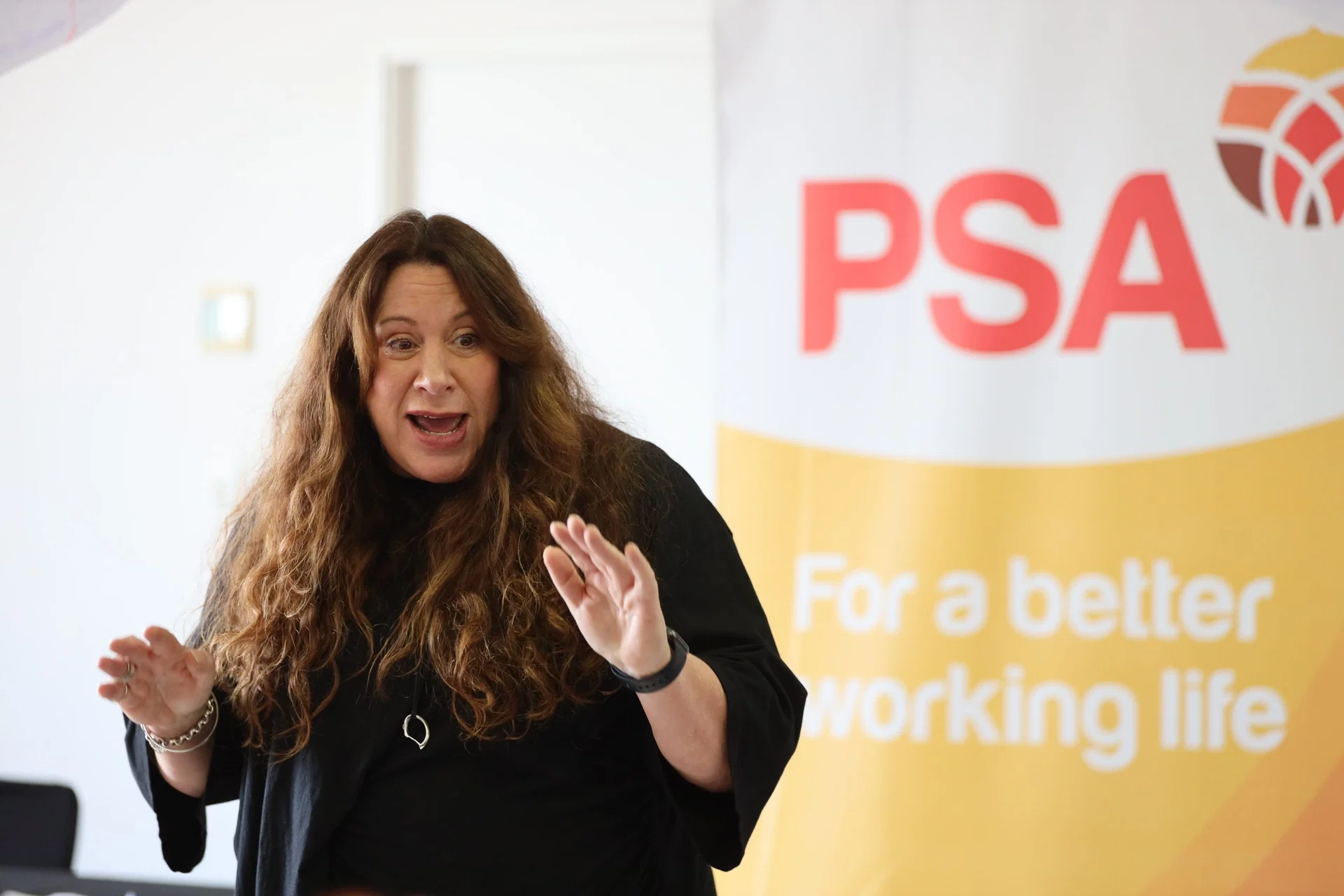
Public Service Association (PSA) union organiser Kate Davis said there have been cases in Marlborough of clients not receiving care for 10 days.
She hosted a lobbying session for care and support workers in Nelson on 13 June.
During the meeting, another effect of understaffing – being overworked – was made known, with a union member saying that one of his colleagues had worked a 275-hour fortnight, raising health and safety concerns about exhaustion for both the worker and their clients.
“The Nelson region is desperately short-staffed,” Davis said. “[Union] members are scared that the chronic staff shortage will lead to more burnout and higher churn.”
She added that the understaffing issues were exacerbated by low wages.
“They don’t look after their staff,” Graham’s daughter said. “The money that they’re paid is not comparable to the work that they do; they’re caring for people at the end of their life… They deserve so much more.”
Graham gave up his fulltime job, halving his income to about $40,000, when he became his wife’s carer. Currently earning minimum wage, he said it’s not surprising care workers can’t be attracted or retained.
“There’s been a few girls go because they’re pissed off,” he said. “If you look after your workers, you won’t be understaffed.”
Shannon does the job because “it’s really rewarding and satisfying, knowing that you're helping them and making their day better,” but she also agreed that she doesn’t feel appreciated for her work.
“We’ve gone straight from Covid into a shortage, a crisis, of staff and you keep on going and keep on going. And how do you get rewarded and acknowledged? A bloody pin and 70 cents last year,” Davis said, referencing a 3 per cent pay rise offered in 2022.
With the Care and Support Workers (Pay Equity) Settlement Act 2017 set to expire on 1 July, the PSA union, with E tū and the New Zealand Nurses Organisation, have lodged a new pay equity claim.
Pay equity aims to establish the undervaluation of professions which have traditionally been female-dominated, like care and support workers, negotiate a pay adjustment, and then maintain pay rates over time so women, and all employees in those industries, won't experience gender-based pay inequities again.
This new pay equity claim will only affect workers for the sector’s 15 representative employers, however the unions are also simultaneously pushing for an extension that will cover all care and support workers in the country.
But in the meantime, carers are still grappling with high costs, low wages, and difficult working conditions which impacts on their clients.
As a worker married to a client, Graham is caught in the middle of the storm and it’s not easy.
“Sometimes I can come out here and sit down and just cry my heart out.”
“When you’re at the end of your life,” his daughter added, “you shouldn’t have to fight for this sort of thing.”

Green MP Jan Logie was present at the PSA union lobbying meeting and said that none of the stories she had heard from Nelson's support workers were new to her but were still "deeply uncomfortable" nonetheless.
"We've been hearing these stories for so many years, and it keeps getting worse."
She said the homecare system was "clearly" not fit for purpose, especially considering the country’s ageing population.
"We need to look after [support workers] to make sure that we've got people to look after us."
Nelson MP Rachel Boyack said that this Government was the first to "take pay equity seriously".
"The Government is taking action to make sure homecare and support workers have the right to take a pay-equity claim, while at the same time protecting their current working conditions and delivering a pay rise."
She referred to the "historic" 2017 Kristine Bartlett court case that gave care and support workers the right to pursue pay equity but said that a deal done with the previous National Government barred them from doing it.
"We passed a Bill that preserves existing terms and conditions, provides an interim pay increase, and ends the discriminatory situation that prevented care and support workers from taking a pay-equity claim."
But Blair Cameron, National's candidate for Nelson, said the last National Government committed to a multibillion-dollar pay equity settlement in 2017 following the Kristine Bartlett case, and that National MPs were currently "following the issue closely" and pushing for updates from the Government.
"Fundamentally, we need to fix the economy so we can reduce the cost-of-living and lift incomes for people."
He added he was meeting with care and support workers in the coming days to hear directly from them about the issues they face.
*Names have been changed to protect identities.
Public Interest Journalism funded through NZ On Air
