
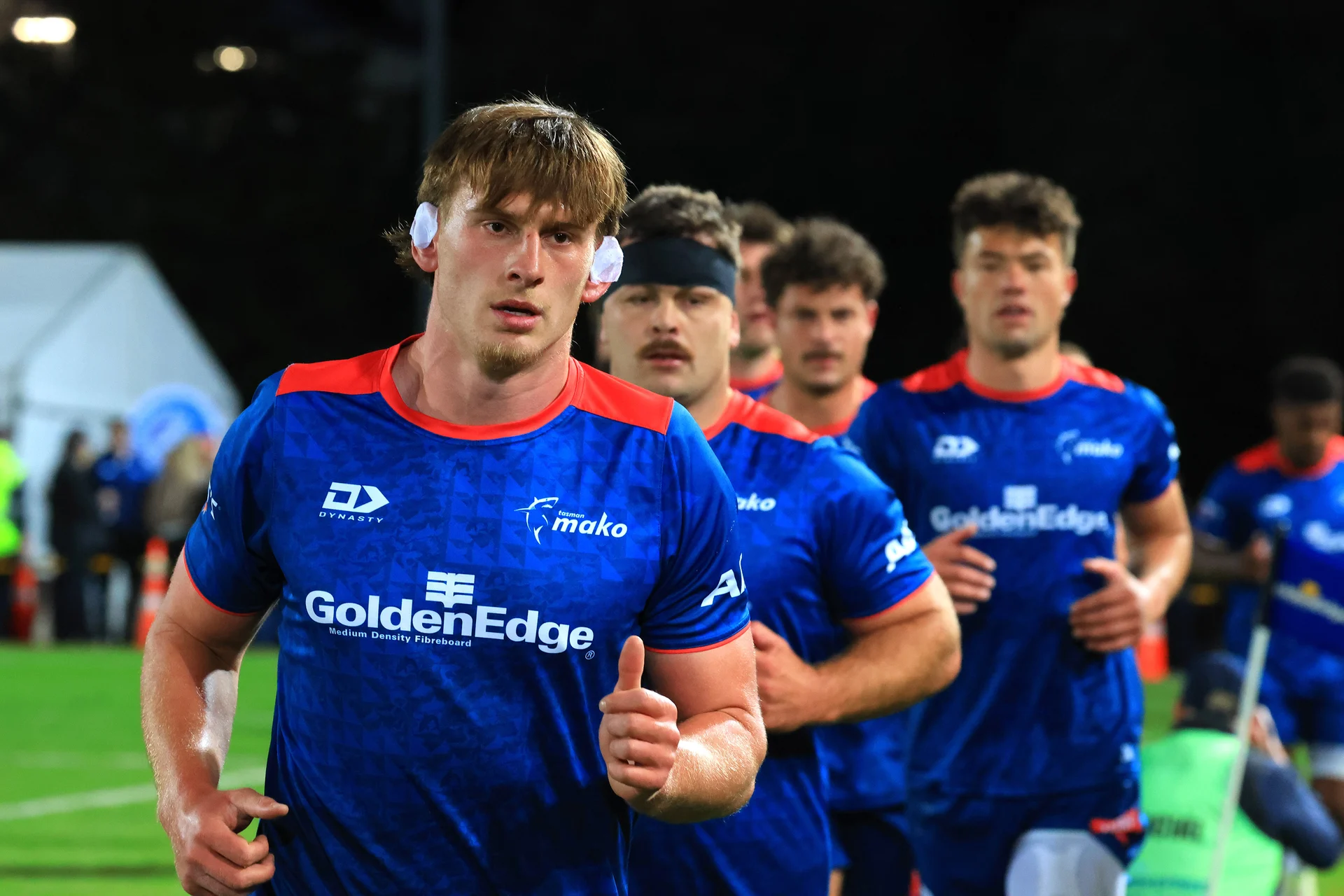
If you experienced a distinct feeling of déjà vu about the Tasman men’s rugby team’s exit from the 2026 NPC competition on Friday evening you were not alone.
Similarities with the previous three campaigns were obvious, in that the 2023, 2024 and 2025 teams all stumbled at the quarterfinal hurdle.
While Friday evening’s 26-21 loss to Northland in Whangarei was a gutsy effort as the Mako battled a rising injury toll and some contentious calls, there seems to be something of a quarterfinal hoodoo plaguing the Tasman lads.
Since the glory days of 2019-21 when the Mako reached three consecutive NPC finals, winning twice, they missed the 2022 play-offs, then lost to Taranaki in ’23 (34-18), Canterbury in ’24 (62-14) and Bay of Plenty last year (27-7) during the first round of play-offs.
Although Friday’s effort was a far cry from the Lansdowne Park capitulation in 2024, there is plenty to ponder as the Tasman hierarchy review their season and plan a return to the glory days.
New coach Jono Phillips promised attacking rugby and the side delivered. Any team which can provide the foundation for the competition’s boom winger Kyren Taumoefolau to run in 19 tries is doing something right. Collectively, the Mako midfielders and outside backs scored 40 tries in 11 matches, suggesting their offence was working well.
However, their defence was not as memorable, conceding a touch under 32 points on average per game. They proved susceptible to lineout drives and their scrum was often under pressure, notably in Friday’s game, where Northland’s scrum turned the game’s flow around. Some more starch in the forward effort, allied with a more clinical approach in the tight moments, would have made a difference.
Interestingly, just six Mako players who started the 2025 quarterfinal ran out first on Friday, with three waiting on the bench, underlining the rapid turnover in provincial rugby nowadays.
Injuries are now a big part of rugby, especially with players under much more medical scrutiny following head knocks and such, meaning squad depth is crucial. The Mako had to cope with an on-going injury toll, but managed admirably, blooding a string of “development” players along the way, an investment which is sure to pay off in future campaigns.
Unsurprisingly, the team’s best performances, against Bay of Plenty and Waikato, were achieved with a group of returning All Blacks in the mix. Along with their individual skills, the confidence they instilled in the side was plain to see, and sorely missed in the play-off.
Dealing with the vagaries of All Blacks comings and goings has become a part of the NPC, although one wonders how the Warriors would react to international matches being scheduled just as their play-offs begin.
Surely, if NZ Rugby are serious about preserving their lengthy legacy while putting bums on seats, they could look at avoiding the scheduling clash, allowing the NPC to run its course with each province’s best players available. It would also be a fitting way to reward those unions who have nurtured All Blacks within their ranks.
With NZ rugby’s decision-makers currently debating three options for the future of the game domestically, none of which is the status quo, the future of the NPC is very much up in the air.
