
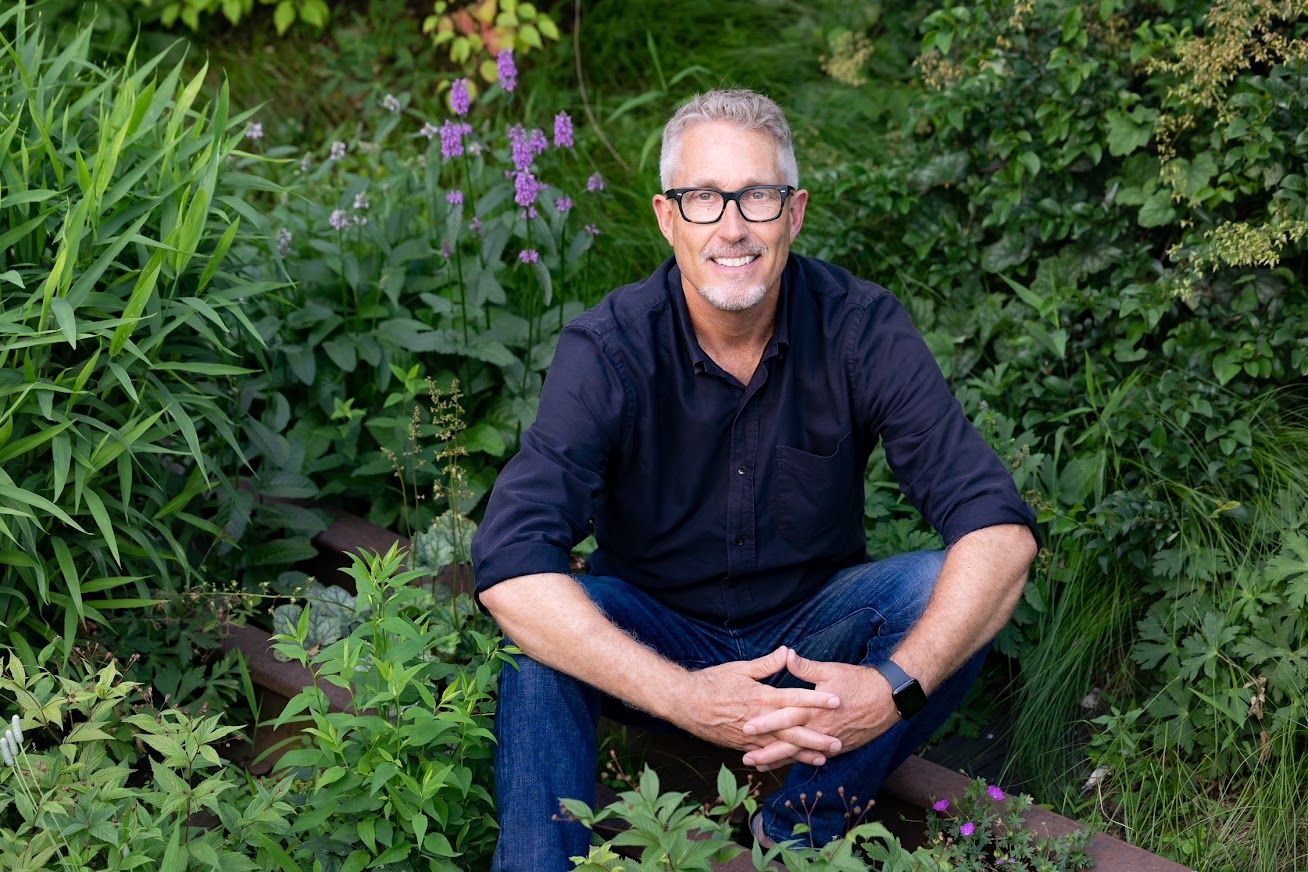
Richard Hayden, Senior Director of Horticulture at New York's iconic High Line - an elevated greenway and public garden - shares his top garden tips and insights with Marlborough Weekly ahead of his appearance as keynote speaker at Garden Marlborough this weekend.
How are you finding New Zealand so far and what are you most looking forward to about coming to Marlborough?
I arrived in Christchurch on Tuesday and immediately went to the botanic garden and walked around in a light rain, so beautiful and the colors were so intense. I'm really looking forward to Garden Marlborough because I love to meet garden folk, they are generous with their gardens and their knowledge, and there's always something to learn and advice to share.
Marlborough has a strong horticultural identity. What are you most excited to share with the Marlborough audience, and is there anything you hope to learn from local gardeners in return?
I'm very excited to share our journey at the High Line and how we care for a very dynamic naturalistic garden. I'm looking forward to learning from the participants, and I'm sure there will be new plants to discover, too.
With climate change putting increasing pressure on gardens and green spaces, what’s one tip you’d give people to make their gardens more resilient?
I think it comes down to the right plant/right place. I believe if you want to know what plants to use in the future to survive climate chaos, look to those that are growing up on the High Line in shallow soil, facing increased wind and weather and the scorching sunlight often reflected off of glass skyscrapers. We are a living example of plant resilience.
Do you have any advice for Marlborough gardeners who want to create gardens that look good year-round, not just when they're flowering?
In addition to my keynote talk about the High Line, I am also doing a session called Rhythm, Repetition and Texture: Garden design for year-round interest. It's a look at the importance of plant structure, leaf color and texture, and how these can form the backbone of a four-season garden. Flowers are fleeting, but great plants combined in ways that provide a sense of rhythm and repetition, and contrasting textures, for instance emphasizing grasses, plants with great fall color, or interesting seed heads, are all ways to make gardens interesting year-round.
What role do you think public gardens and green spaces play in bringing communities together, particularly in increasingly urbanised environments?
Public gardens are the great connectors and democratizers of a community. Anyone can enjoy them, and the best public gardens have space for contemplation and are alive with wildlife. These ecologically functioning green spaces serve to remind the public that we are in community with more than just our fellow people. With development constantly expanding, they can be important connectors between wild places.
